
Anatomical Vascular Flow Models for Endovascular Training
Discover the distinct advantages and exceptional quality that set our anatomical models apart in medical training and practice.
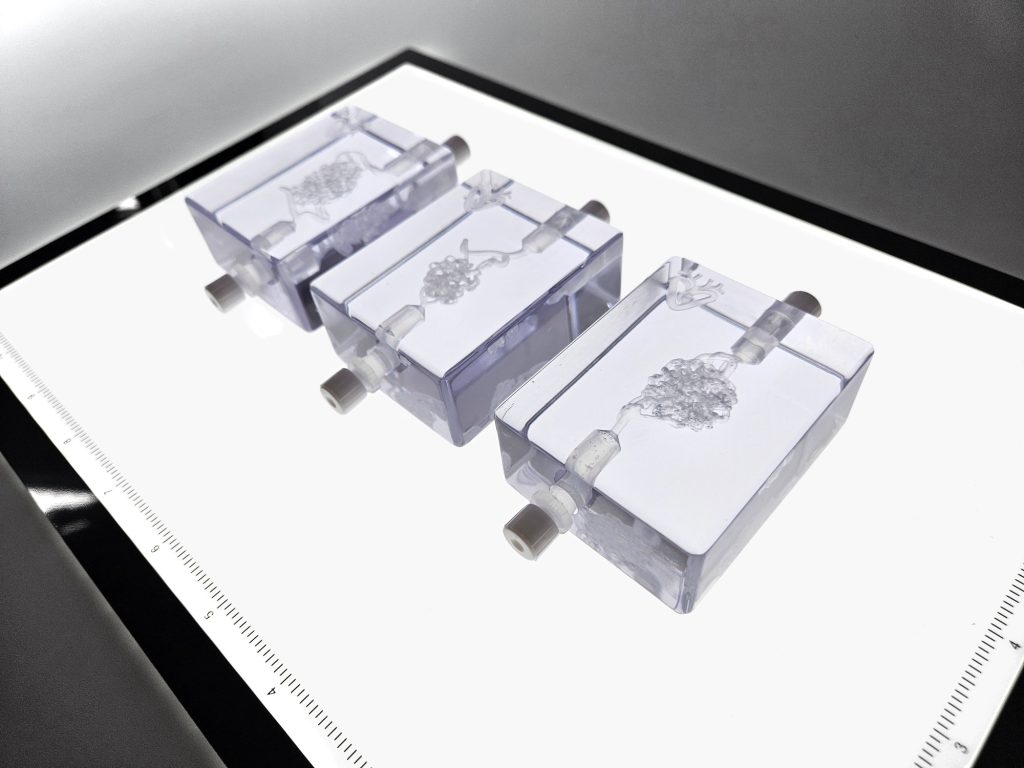
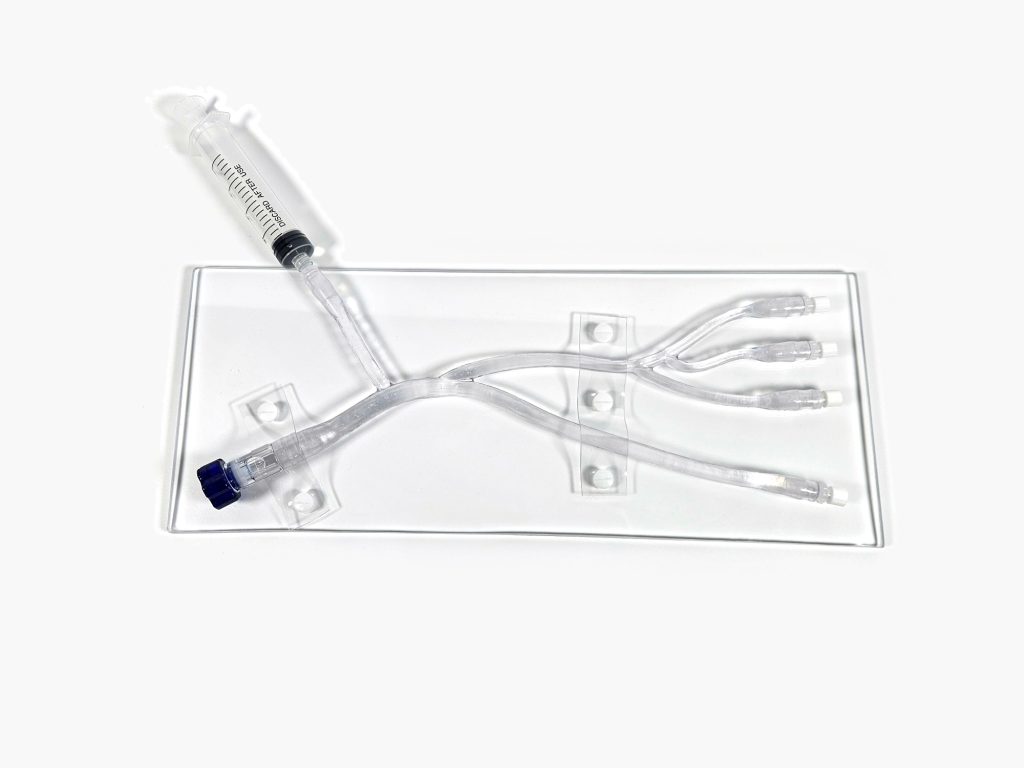
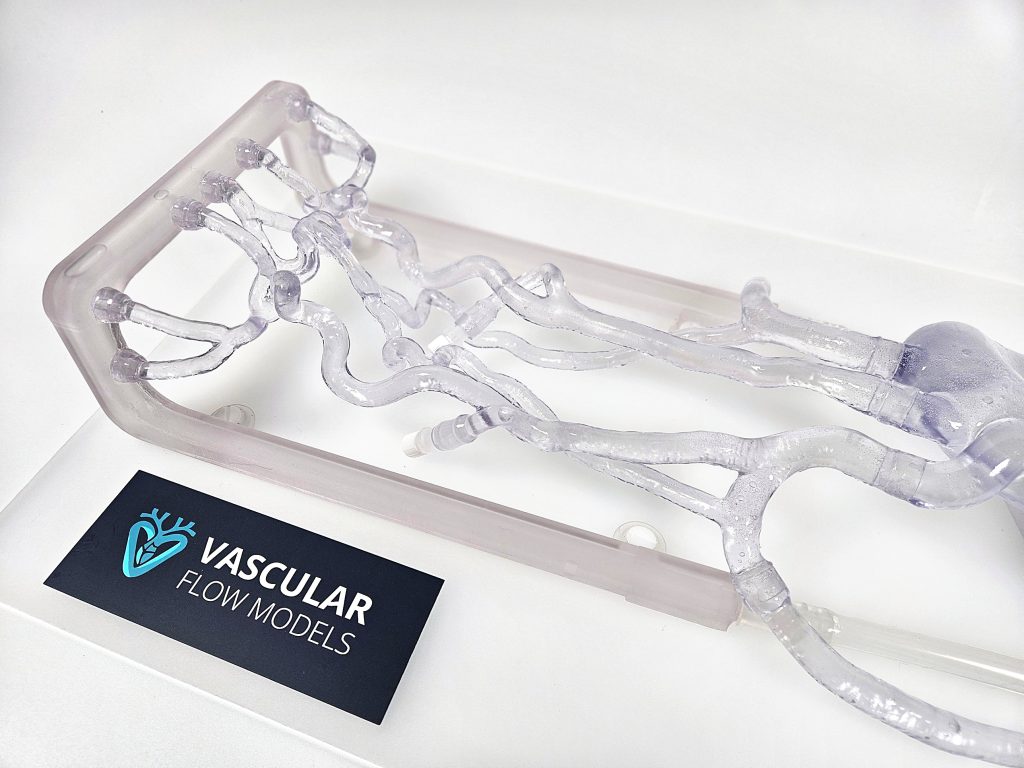
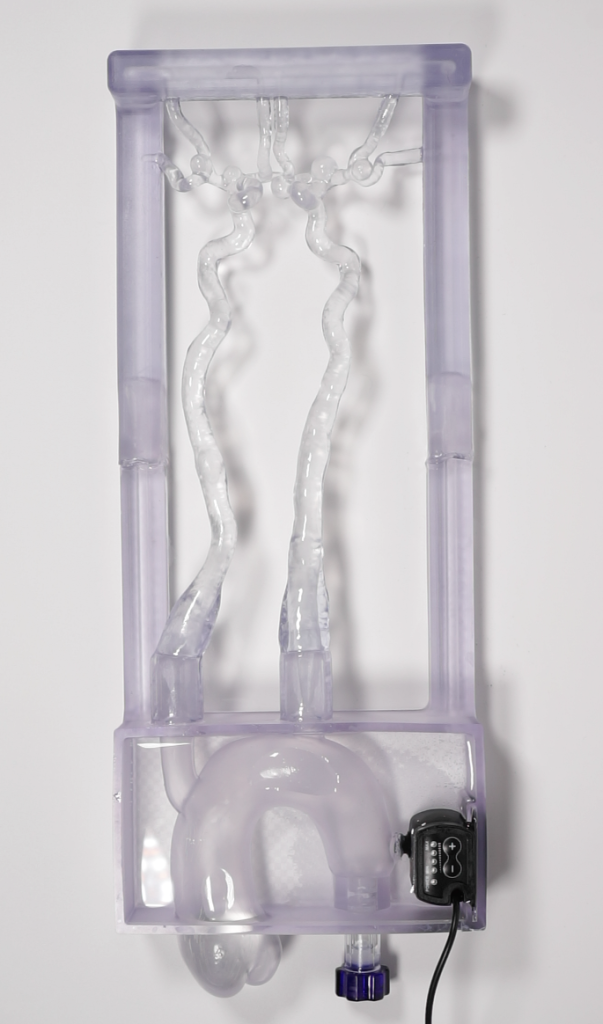
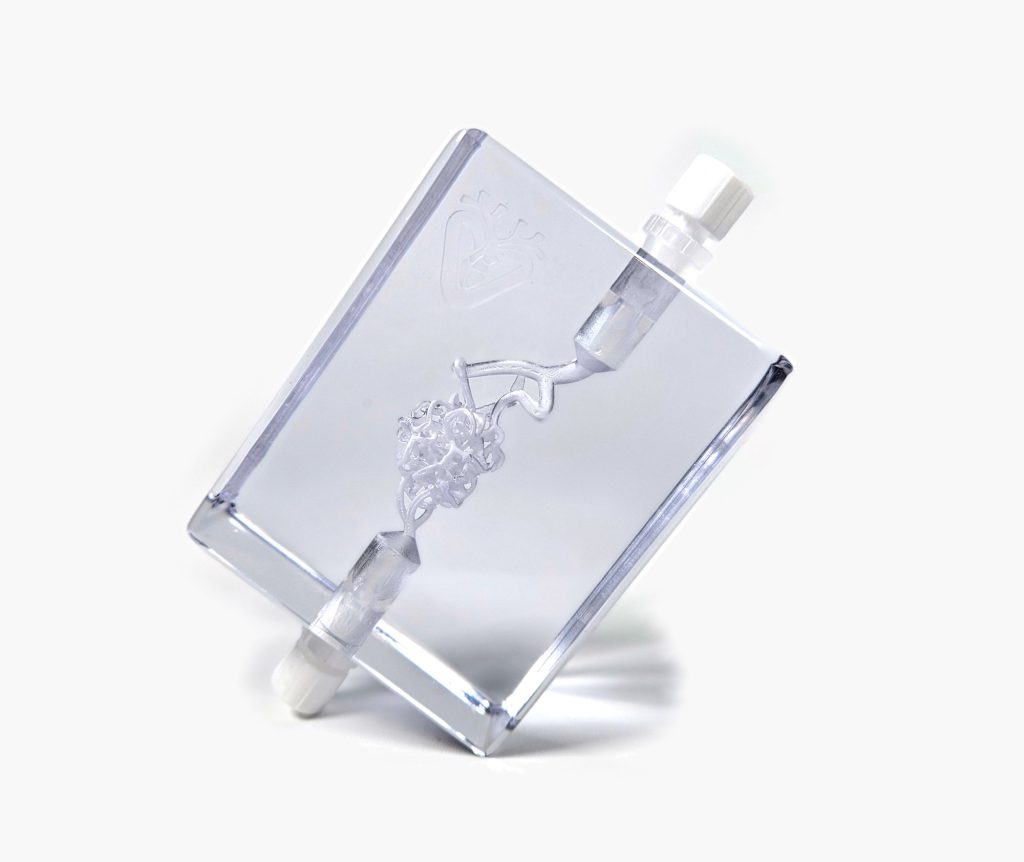
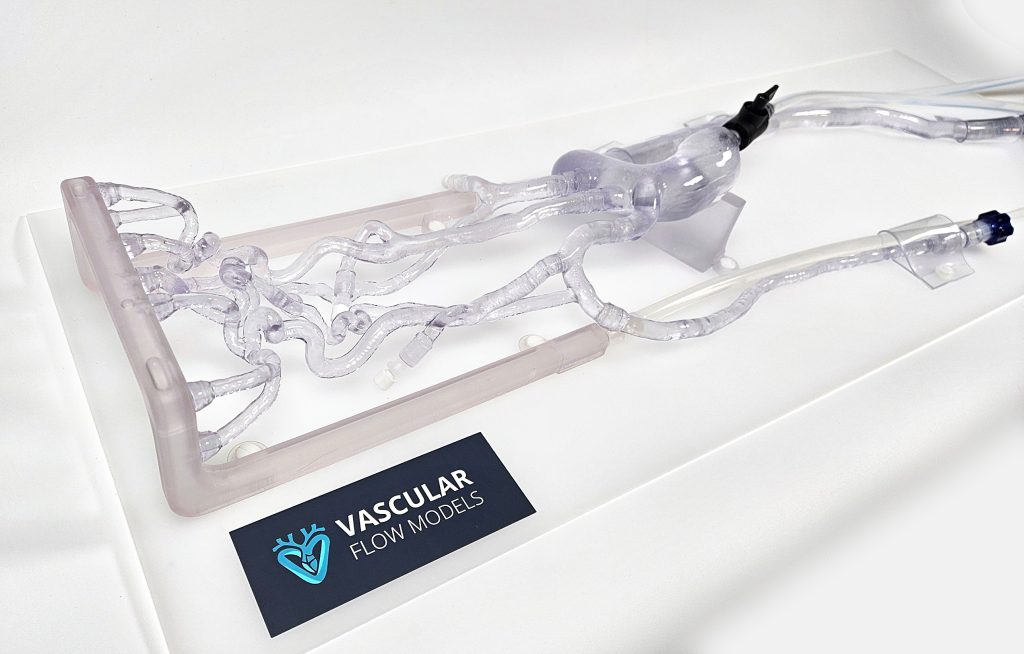
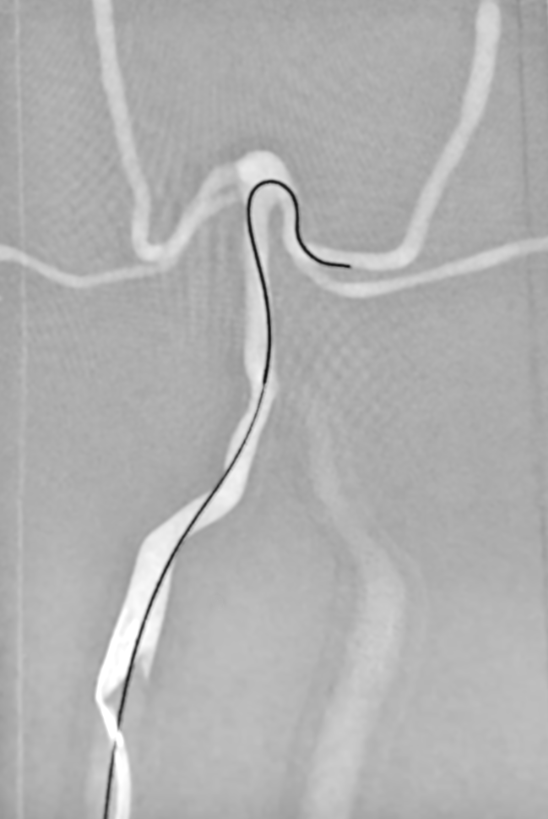
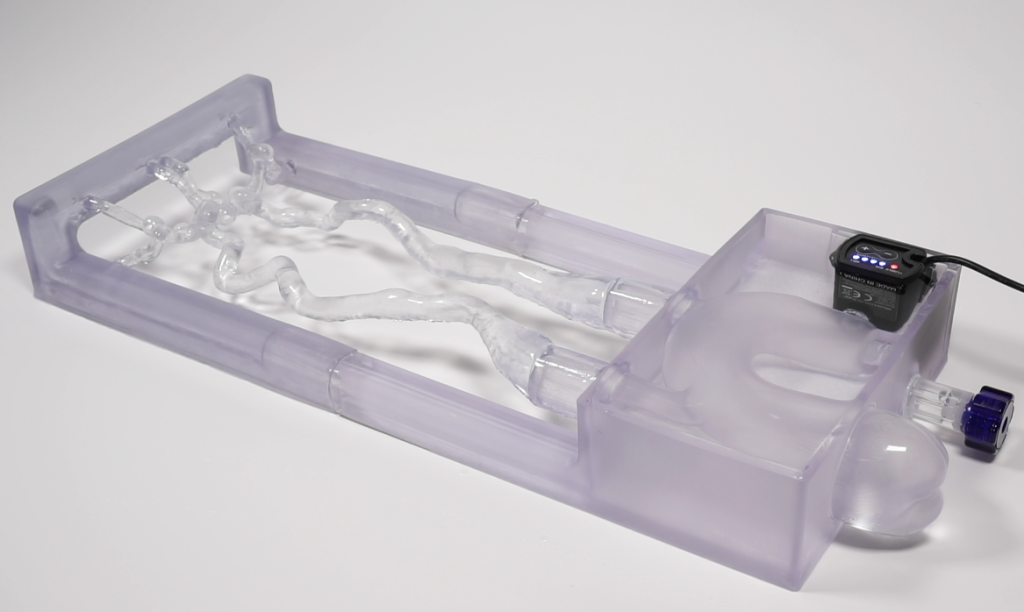
Neurovascular

Body/Peripheral
Cardiovascular
Coming Soon
Discover Our Advantages
Dive into our homepage showcasing anatomically precise models, compact designs, and dedicated support that set us apart in medical education.
 Tailor-made
Whether it’s a bespoke, patient-specific model or a turnkey, off-the-shelf solution, we will dial in your product to the level you need.
 Fast & Easy Setup
Our models take seconds, not minutes, to set up. We can also provide all necessary accessories and equipment so you don’t have to fill in the gaps.
 Anatomical Accuracy
A key tenet and driving force of our company is to create models that are as accurate and clinically relevant as technology will allow.
 24/7 Customer Support
Your preferred form of communication is our preferred form of communication. Reach out in a way that makes your life easier.
 Compact Design
Why complicate your travel and business expenses? Our backpack models are designed to fit within a carry-on bag, with room left for clothes and accessories!
 Unbeatable Quality & Value
You shouldn’t have to compromise quality for budget. We believe a reduction in costs can lead to a greater impact without sacrificing quality.
Why You’ll Love Working with Us
We Speak Your Language
We get it, because we’ve been there. Our small team brings hands-on interventional radiology experience, led by a founder who is both a licensed radiologic technologist and a medical 3D printing expert. That deep knowledge of anatomy and endovascular procedures means we can consult with you to build exactly the model you need.
Your Success is Our Success
We are dedicated to the art of the possible. We don’t want to just build models- we want to lead innovation in medical training. There is no reason for medical professionals to not have access to the highest standards of quality simulation in today’s technologically advanced world. Why practice on patients, when we can practice in plastic?

